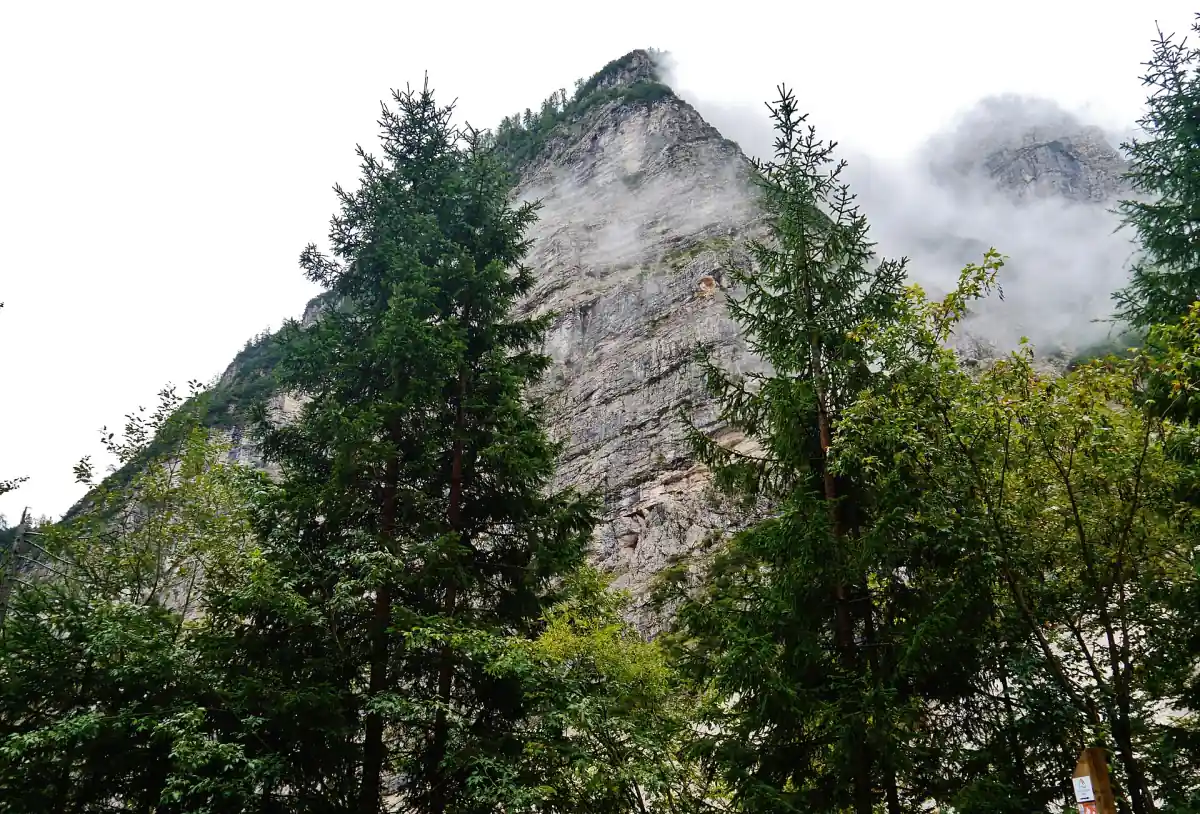
Understanding Kranjska Gora weather in the valley
Kranjska Gora weather needs two different kinds of information: climate to understand the seasons, and a current forecast for the day you go out. The monthly figures here are ARSO climate normals from the nearby Rateče station at 864 m for 1991 to 2020, read on 6 November 2026. They describe a valley setting rather than a measurement in the centre of Kranjska Gora.
Use that background when deciding what kind of trip to plan and what to pack. Use current information to find out whether a particular walking day will be wet, a road will be open or a slope will have suitable snow. Mountain objectives need information for their own elevation and exposure as well as the conditions along the route.
For choosing dates according to activities, the best-time guide turns the seasonal picture into skiing, walking and sightseeing choices. Keep those decisions separate from the forecast you consult shortly before setting out.
Monthly temperature and precipitation normals
The maximum and minimum columns are monthly means of daily high and low temperatures. They describe average daily conditions rather than record temperatures. Precipitation is the mean monthly total, expressed in millimetres. All the values come from the same ARSO Rateče reference period, 1991 to 2020, so the months can be compared on the same basis.
| Month | Mean daily maximum °C | Mean daily minimum °C | Mean monthly precipitation mm |
|---|---|---|---|
| January | 2.0 | −7.1 | 68 |
| February | 4.6 | −6.4 | 79 |
| March | 9.0 | −2.9 | 89 |
| April | 13.3 | 0.9 | 107 |
| May | 18.2 | 5.3 | 122 |
| June | 22.3 | 9.2 | 143 |
| July | 24.4 | 10.8 | 161 |
| August | 23.9 | 10.8 | 155 |
| September | 18.7 | 6.8 | 178 |
| October | 13.6 | 2.9 | 185 |
| November | 7.2 | −1.1 | 189 |
| December | 2.0 | −6.1 | 116 |
July and August are the warmest months in this table. November has the highest mean monthly precipitation total and January the lowest. Summer rainfall remains part of the picture: plan outdoor days with suitable clothing and room to change the route, rather than treating warm monthly temperatures as a dry-weather forecast.
A guided ski touring option
This guided ski touring outing includes local accommodation transfers and some equipment.
Hand-picked tours, booked through Viator. Prices are indicative starting prices in euros (as of October 2026). Tap a tour for live availability and the current price in your currency.


Guided ski touring as a seasonal mountain option
The ski-touring outing includes guiding, equipment rental excluding skis and boots, and accommodation transfers in Kranjska Gora, Mojstrana and Bled. Plan it around suitable conditions.
What rainfall and temperature averages mean for your day
A monthly rainfall total does not provide a timetable for rain. Use it to understand the broader climate, then look at the daily forecast to decide when and where to walk. Likewise, the average daily minimum is useful when packing an extra layer, while the temperature forecast guides your actual overnight stay or morning start.
Keep the station location visible in your planning. Rateče represents the nearby valley. It does not measure the top of Vršič or the higher mountain terrain. A comfortable temperature in the town should not be used to decide whether clothing is sufficient for a mountain route. Bring additional clothing and protection from cold as part of your walking equipment.


Mountain weather, thunderstorms and route choice
Mountain safety guidance warns of low temperatures and changeable conditions even in summer, with afternoon thunderstorms relevant to the day's plan. Consult the current ARSO forecast before each outing, start early and organise the return accordingly. Select the route for the least experienced person in the group, using marked paths and equipment suited to its demands.
Suitable walking shoes, a map, water, food and additional clothing all belong in that preparation. The hiking guide distinguishes local valley walks from more demanding terrain. If conditions make the chosen objective unsuitable, change the objective. Consult current route information to assess snow and ice on a particular path.
Road access needs a separate check. For an outing towards the Vršič Pass, read the current traffic and parking notices as well as the weather forecast. Avoid building the whole day around an assumed pass opening based on the time of year.
Snow plans and a guided ski-touring option
For a skiing trip, use the actual snow and operating information alongside the forecast. Published season prices describe a tariff, while the ski-area guide explains passes, rental and lessons. Keep snow expectations flexible and choose the dates and accommodation with an alternative day plan in mind.
A guided ski-touring excursion is a separate seasonal activity. Its inclusions cover guiding, equipment rental excluding skis and boots, and accommodation transfers in Kranjska Gora, Mojstrana and Bled. Choose it as ski touring when conditions and availability suit the trip. Assess the demands of the planned outing rather than choosing it from the town's temperature alone.
Frequently asked questions
Is this a live weather report?
These are climate normals for Rateče for 1991 to 2020. Use the current ARSO forecast for the day and elevation of your outing.
Do the figures describe the Vršič summit?
Rateče is a nearby valley station at 864 m. Use mountain weather information for the pass and higher routes rather than transferring valley temperatures to them.
Does warm summer weather rule out mountain cold?
Mountain safety guidance includes low temperatures and changeable conditions even in summer. Carry additional clothing and account for afternoon thunderstorms when planning the return.